Hybrid games put a party of characters, a battle and a collection economy on top of an ordinary match grid. The board looks familiar and behaves differently, because the board is no longer the thing being optimised.
The board is an input, not the game
In a pure puzzle the board is the whole problem. In a hybrid it is a way of generating resources for the layer above: matching a colour charges the character tied to that colour, and the character is what actually does something.
So the question stops being what clears the most tiles and becomes which meter most needs feeding this turn. A small match of the right colour routinely beats a large match of the wrong one, which is the opposite of every instinct a pure puzzle teaches.
Three rules that carry across the genre
- Charge the ability that ends the fight. A half-charged decisive ability is worth more than a fully charged marginal one, and feeding both equally usually gets neither in time.
- Do not overfill. Matches beyond a full meter are, in most of these games, simply discarded. Once an ability is ready, spending it is usually better than topping it up.
- Watch what you leave. On a turn-based board the opponent plays on the same grid you just rearranged, so a move that sets up three obvious matches has handed them over.
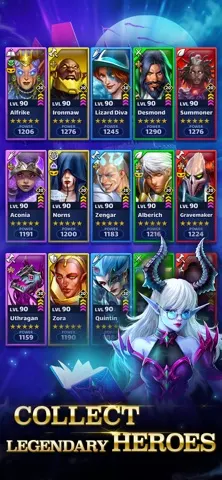
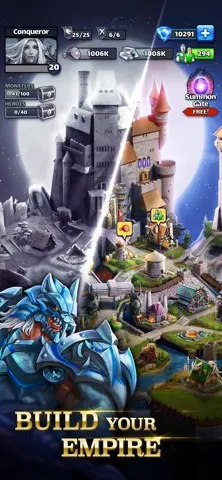
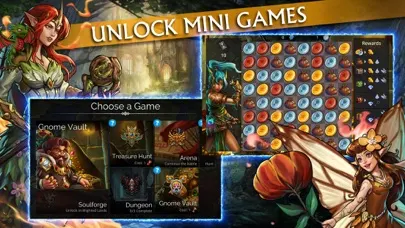
A useful habit before each move: name the ability you are trying to reach and how many matches away it is. If you cannot, you are playing the board rather than the fight, and the fight is what has a health bar.
Where board skill stops mattering
This is the part these games do not advertise. Early on, playing the board well carries you comfortably. Past a certain point the opponents have more health and harder-hitting abilities than any sequence of good matches can overcome, and progress depends on the characters you have collected and how far they have been developed.
That is a design choice rather than a flaw, and it is the point where a puzzle game becomes a collection game. Recognising the transition is useful, because the natural response to losing, which is to play more carefully, stops working there. The actual answers are developing what you already have, or waiting for the collection to improve.
The collection layer, honestly described
New characters usually arrive from a randomised draw, paid for with a premium currency earned slowly or bought. The specific odds vary and are frequently published in the game, often buried behind an information icon on the draw screen, and reading them once is worth the thirty seconds.
Two things are worth understanding before spending anything. Duplicates are common and usually convert into progression material rather than being wasted, which softens the maths considerably. And the strongest characters are typically not required to finish the ordinary content, only to compete at the top of timed events, which most players do not need to do.
Time, which is the real currency
Hybrid games ask for a schedule rather than a session. Energy refills, timed events, daily objectives and team obligations all assume you appear at particular times, and the reward structure is built around consistency rather than intensity.
Whether that is worth it is a personal question rather than a strategic one, but it is worth asking deliberately at the start rather than discovering three months in that a puzzle game has acquired opening hours. Nothing in the board mechanics requires it; it is the layer above that does.
Choosing between a pure board and a hybrid
The distinction is easy to spot in the store screenshots. If the images show a grid and a goal panel, it is a puzzle. If they show characters, health bars, star ratings on portraits and a currency counter, the grid is an input to something larger. Neither is better; they are different hobbies wearing similar art, and knowing which one you are installing prevents a fair amount of disappointment.