A grid of coloured tiles is close to free to draw, so a puzzle game that flattens a battery in ninety minutes is spending that power on something else. Knowing what changes how you set the game up.
Where the power actually goes
In rough order of appetite, and none of the top three is the board.
- The screen. On a phone at high brightness the display is usually the single largest consumer, and puzzle games are played with the screen on continuously for long stretches.
- Video advertising. A rewarded video decodes video, uses the radio to fetch it, and often runs at a higher frame rate than the game. Ten of them in a session cost more than the hour of puzzles around them.
- Uncapped frame rate. Many of these games render as fast as the hardware allows. On a 120 Hz phone that means drawing a nearly static board 120 times a second for no visible benefit.
- Animation and particles. Modern match games celebrate a cascade with a great deal of movement, and it adds up over a long session.
The single most effective change is declining rewarded video on a long session. It costs you the rewards you chose not to take and nothing else, and it removes both the largest power draw and the largest data draw at once.

Settings worth finding
Not every game offers these, and where they exist they are rarely on the first settings screen.
- Frame rate cap. If a game offers 30, 60 and unlimited, 60 is invisible from 120 on a board that barely moves and roughly halves the rendering work.
- Reduced effects or performance mode. Turns down particles and celebration animation. Cosmetic only, and noticeably cooler.
- Music and sound. Audio decoding is minor, but the wake locks and mixing around it are not free, and most people play these games muted anyway.
- Background refresh. Controlled by the phone rather than the game, and worth switching off for titles that do not need to update while closed.
Why the phone gets hot, and whether it matters
Sustained rendering plus a bright screen plus radio activity produces heat, and a phone that cannot shed it will slow itself down deliberately to protect the battery. That thermal throttling is why a game that ran smoothly for twenty minutes starts stuttering in the thirtieth, and no amount of restarting fixes it until the device cools.
Two practical points. Charging while playing produces heat from two sources at once and is the fastest way to reach throttling, so if a session is going to be long, charge before rather than during. And a thick case traps exactly the heat the phone is trying to lose; taking it off for a long session is unglamorous and works.
Battery health over the long run
Lithium batteries age faster when hot and when held at a full charge, and gaming while plugged in manages to do both. Nothing dramatic happens from one session, but the habit of playing for an hour every evening at 100 per cent on a charger is measurably harder on a battery than the same hour unplugged.
Both platforms now offer charge limiting, and on both it is worth switching on if you leave the phone charging overnight. It is a setting you enable once and never think about again.
Which of these games are actually heavy
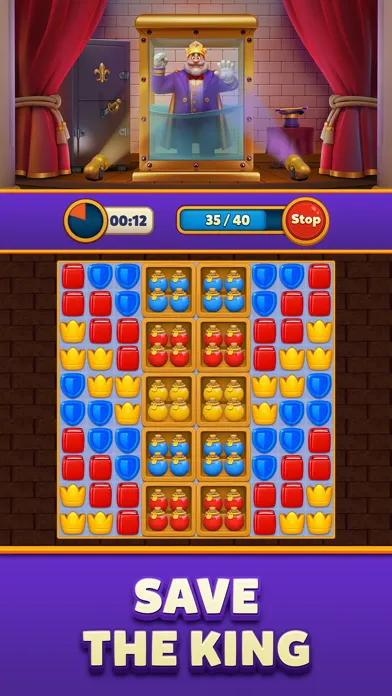
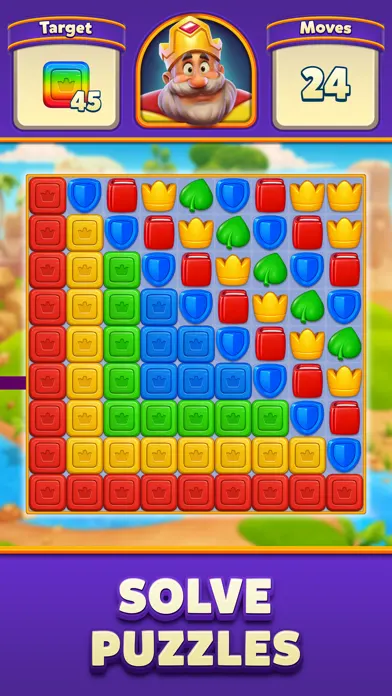
There is a real spread. A plain match board with modest effects is close to free. A title that renders a full battle scene above the board, with characters, spell effects and a background, is doing considerably more work and behaves like a small action game rather than a puzzle.
If battery matters to you, the practical test takes one session: note the percentage before and after twenty minutes of play with the screen at a fixed brightness and no rewarded video. Comparing two games that way is more useful than any store description, and the differences are usually larger than people expect.